
Reviewed · LAS VEGAS MUSEUMS AND EXHIBITS
Titanic: The Artifact Exhibition at the Luxor Hotel and Casino
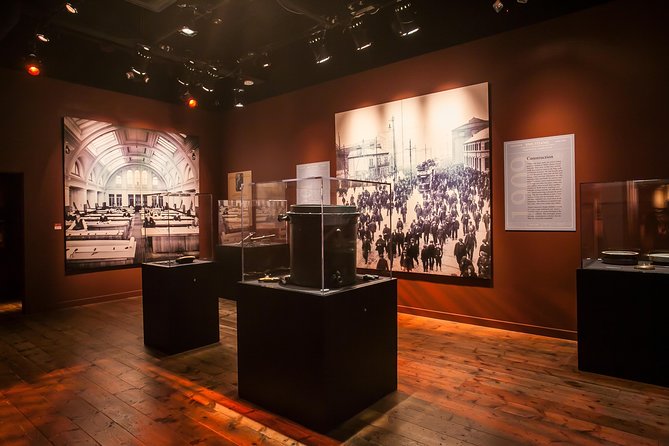
The most powerful part of Titanic: The Artifact Exhibition is not the movie-style drama. It is the real luggage, china, jewelry, whistles, floor tiles, and ship fragments recovered from the wreck. The large section of hull known as the Big Piece gives the tragedy a physical weight that display panels alone cannot provide.
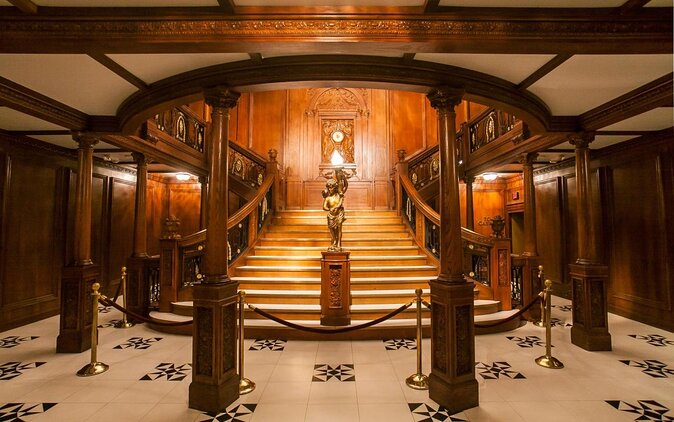
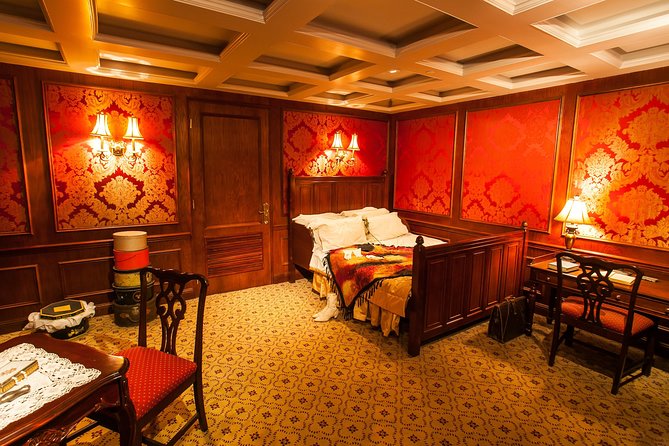
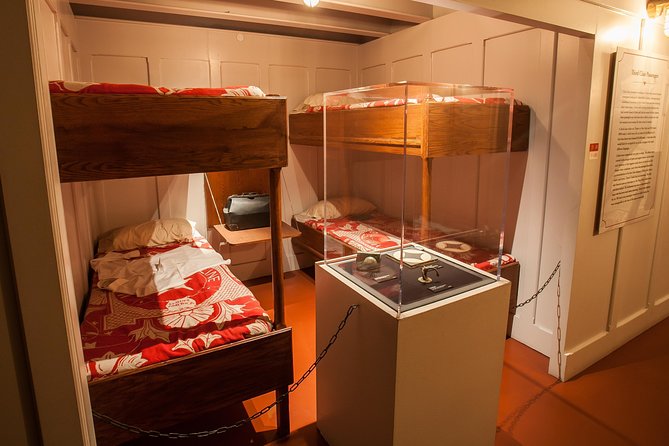
I like two things in particular: the passenger boarding card, which gives you one person’s name, age, class, and reason for travel, and the exhibit’s freedom to set your own pace. I also like the careful recreations of the Grand Staircase and first- and third-class cabins, which show the sharp divide between life aboard ship.
The main drawback is the low lighting. It creates a solemn mood, but some placards use small or hard-to-read type. You may need to slow down, let your eyes adjust, and spend longer at the displays than you expect.
Key details before you go
- 250 authentic artifacts: See recovered luggage, jewelry, china, whistles, floor tiles, a window frame, and an unopened bottle of Champagne.
- The Big Piece: A substantial section of the original hull is one of the exhibition’s most memorable objects.
- A personal passenger story: Receive a boarding card for a real person, then check at the end to learn if that passenger survived.
- Self-guided visit: Most people spend about two hours, but you can move faster or stay longer at the panels.
- Family-friendly admission: Children under four enter free, and discounted admission is available for children.
- Luxor location: Find the exhibit on the Atrium Level, just past the food court and near the escalators.
What the $36.20 admission really buys you
At $36.20 per person, this is not a quick casino attraction. You are paying for access to a 25,000-square-foot exhibition with authentic material recovered from one of the most famous shipwrecks in history. The price makes more sense if you plan to read the passenger stories and construction displays rather than simply walk past the objects.
I consider the value fair for a two-hour visit, especially if you already enjoy maritime history, museum displays, or the Titanic story. Families can also get a solid afternoon activity from it, since the exhibit combines physical objects with a simple personal game: find out what happened to the passenger on your card.
The value is less convincing if you want a major interactive attraction or a guided experience with live interpretation throughout. This is primarily a quiet, self-guided museum. You will not receive hotel pickup, parking, or valet service with admission, and those extra costs matter at a large Las Vegas resort.
One practical point is worth checking before you pay. Some ticket holders have found that buying directly at the Luxor can provide package options that include a second exhibit or activity for only a little more. Compare the available offers for your dates, but use an advance booking if securing your place matters.
More museums and exhibits in Las Vegas:
- Ticket for ARTE Museum Las Vegas
★ 5.0 · 2,106 reviews - Las Vegas Mob Museum Admission Ticket
★ 4.5 · 1,295 reviews - Meow Wolf’s Omega Mart at AREA15
★ 4.0 · 798 reviews
Finding the exhibition inside Luxor
The exhibition is on Luxor’s Atrium Level. From the parking garage, enter the hotel and take the escalators upward. The exhibit is just past the food court. From the main entrance, go up the escalators and look to the right.
The casino itself is listed as the first stop, but it is really your arrival point, not a separate tour activity. You do not spend an included hour receiving a casino tour. You simply make your way through the resort to Titanic: The Artifact Exhibition.
Allow extra time for the walk through the hotel, especially if you are arriving from the parking area. Las Vegas resorts can take longer to cross than their maps suggest. The advertised hours are normally 11 a.m. to 8 p.m. daily, though operating hours can change. Last entry is one hour before closing, so do not arrive near the final admission time if you want to read the displays properly.
The stated start time is 11 a.m., but the ticket can be used during the long opening period rather than as part of a fixed guided departure. This makes the exhibit easy to fit between meals, shows, or other Strip plans.
Beginning with a real passenger
At the entrance, you receive a boarding card connected to an actual Titanic passenger. It gives you details such as the person’s name, age, travel reason, traveling companions, and passenger class.
This small detail does a lot of work. The ship can otherwise feel like a collection of famous facts: the iceberg, the lifeboats, the sinking, and the rescue. The card gives you one human thread to follow through the displays.
At the end, you scan the card to learn if your passenger survived. It is a straightforward feature, but it helps children and adults pay attention to the names and personal details along the way. You are not just looking at objects from an old ship. You are carrying one person’s story through the exhibition.
The card also supports one of the exhibit’s strongest themes: the disaster affected people from every class. The displays explain how men, women, and children experienced the ship differently, and how fewer than half of those aboard survived.
The recovered objects and why they matter
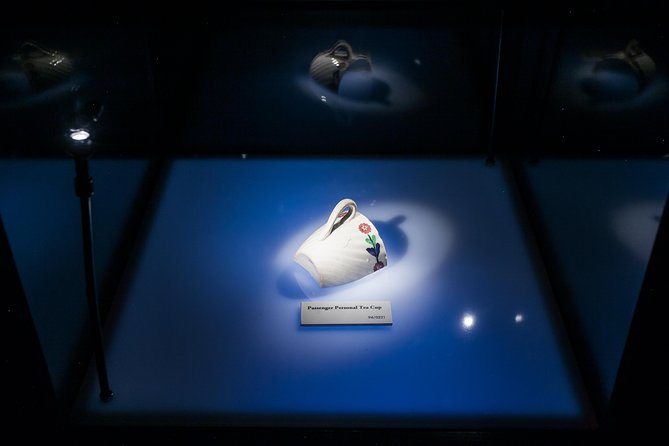
The core collection includes about 250 authentic items brought up from the wreckage. You might see luggage, jewelry, china, ship’s whistles, floor tiles, and other everyday objects. There is also an unopened bottle of Champagne, a detail that captures the ship’s luxury in a way a general description cannot.
I find the ordinary objects especially effective. Jewelry and fine china can suggest wealth, but luggage and household items make the passengers easier to picture as people preparing for a journey. A floor tile from the first-class smoking room connects the grand public rooms to a small, preserved fragment of the actual vessel.
The exhibition also includes a window frame from the Verandah Cafe and other pieces tied to the ship’s design. These objects help explain that Titanic was not only a famous wreck. It was a working ocean liner with kitchens, cabins, dining rooms, service areas, and spaces divided by class.
One of the best-preserved details is often not the most visually dramatic. A whistle, a tile, or a piece of china can require close reading to appreciate. Take your time with the labels, since the object’s origin and use are often as important as its appearance.
Same base, a completely different kind of day out of Las Vegas:
- Grand Canyon West, Hoover Dam Stop and Optional Lunch and Skywalk
★ 5.0 · 19,535 reviews - Grand Canyon West, Hoover Dam Stop, Breakfast, Lunch & Skywalk
★ 5.0 · 12,194 reviews - Half-Day Mojave Desert ATV Tour from Las Vegas
★ 5.0 · 7,350 reviews - Grand Canyon West Bus Tour with Hoover Dam and Optional Skywalk
★ 4.0 · 7,224 reviews
The Big Piece and the physical scale of Titanic
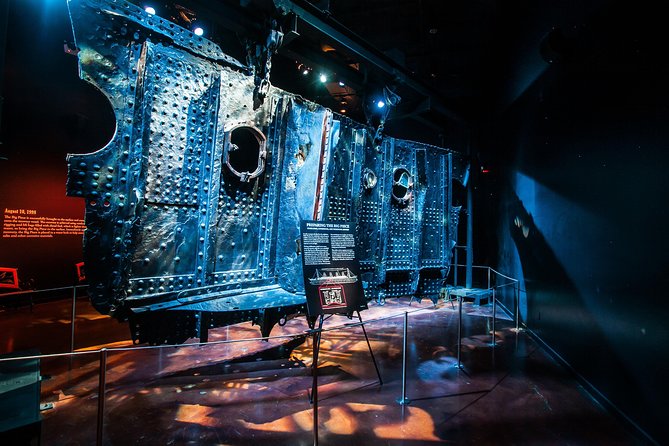
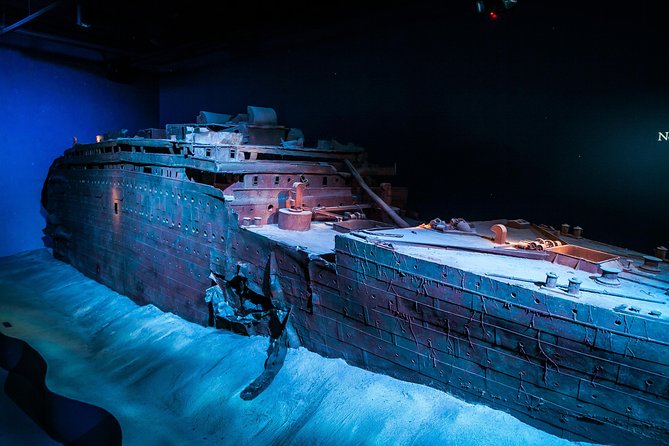
The Big Piece, a large section of the original hull, is the exhibition’s anchor. Seeing a surviving piece of the ship makes the story more concrete. Instead of picturing Titanic as a distant black-and-white image, you can look at metal, openings, and remaining glass connected to the actual vessel.
Several people single out this section as the reason they came, and I understand why. Photographs and films can show the ship’s size, but a hull fragment gives you a direct sense of its construction. It also reminds you that the exhibition is not built entirely from replicas.
The Big Piece is particularly useful for children, who may find it easier to understand a large physical object than a long panel of text. Adults who already know the story may find that the hull is the display that adds something new.
You will see other parts of the ship as well, including floor tiles and a window frame. Together, these fragments create a more complete picture of the liner’s materials and workmanship.
The Grand Staircase and the class system
The recreated Grand Staircase provides the exhibition’s most recognizable visual moment. Its design helps you picture the polished public spaces associated with first-class travel and the image of Titanic as a floating luxury hotel.
The first-class and third-class cabin recreations are just as important. They use furnishings from the original manufacturers, giving the displays a stronger connection to the ship’s period than a generic room set would have.
Moving between these spaces shows how sharply life was divided by class. The exhibit is not only explaining how Titanic was built. It is showing who received space, comfort, and decoration, and who traveled in more basic surroundings.
The replicas are useful because many visitors know the ship through film scenes rather than physical evidence. Here, the cabins provide a sense of scale and layout. You can see how different the accommodations were, even without a long lecture.
Photography rules may vary by area. Some parts of the exhibition allow photographs, while the replica staircase has been subject to restrictions. If you hope to take a staircase portrait, ask staff before raising your phone. There may also be a professional photo option, though the quality of the experience can depend on the staff member assisting you.
Reading the story in a dark, quiet setting
The exhibit uses low lighting. That suits the subject and gives the rooms a subdued, respectful feel, but it is not ideal for everyone. One useful tip is to pause at the entrance and let your eyes adjust before trying to read the first panels.
Small type is the most consistent practical complaint. If you care about the details, plan on standing close to the signs and giving yourself time. The information is written in an accessible way, but the lighting and font size can make a long reading session tiring.
I would not rush this exhibition. A fast walk can take about an hour, but the normal visit is closer to two hours because there is a great deal to read. The exhibit works best when you stop for the passenger stories, construction details, and explanations of the sinking rather than treating it as a photo stop.
The mood is serious but not relentlessly grim. There are displays about the ship’s construction, luxury, and daily life before the story turns to the iceberg and the loss of life. That structure gives the tragedy context instead of presenting it as one sudden dramatic moment.
Is it suitable for children?
Yes. Children under four enter free, and discounted admission is available for children. The exhibit is designed to be educational as well as visually interesting, so families can use the boarding card feature to keep younger visitors involved.
A nine-year-old with an interest in Titanic could easily find the artifacts and passenger check meaningful. Parents should know that this is still a museum, not a high-energy ride. Children who dislike reading or quiet displays may move through it quickly.
The sinking is a sad subject, and the passenger cards can make the human cost feel personal. You may want to explain that the exhibit tells a real story and that not every passenger survived. For older children, this can lead to useful conversations about class, safety, travel, and historical evidence.
Access, timing, and small practical concerns
The exhibition is wheelchair accessible, and most people can take part. Service animals are welcome, but pets are not allowed.
Admission does not include transportation, hotel pickup, parking, or valet fees. Public transportation is nearby, so you have options if you do not want to drive to Luxor. If you are already staying on the Strip, build in walking time from your hotel.
Confirmation is sent within 48 hours of booking, subject to availability. Free cancellation is allowed up to 24 hours before the experience begins. Inside that 24-hour window, cancellations and changes are not accepted for a refund.
The ticket information says you can enter during the operating hours, but it is wise to confirm the exact terms attached to your booking. One ticket holder was told at the help desk that the ticket could be used within 30 days, while another had a barcode issue that required staff assistance. Keep the confirmation email available and allow a few extra minutes at the entrance in case the QR code does not open immediately.
Who will get the most from this visit?
I would choose this for you if you have a strong interest in Titanic, shipbuilding, museum collections, or the personal stories behind major events. It also works well for families who want a slower Las Vegas activity away from slot machines and bright casino floors.
The exhibition is a good fit for movie fans, but it does not depend on the film. In fact, its greatest value is showing the real objects and passenger accounts beyond the familiar love story. You will leave with a clearer sense of the people, the ship’s design, and the disaster’s scale.
It may not be the best use of your time if you have only a few hours in Las Vegas and prefer rides, shows, or outdoor sights. Some people also find the admission high for a self-guided exhibit, especially when compared with local package deals.
Give yourself two hours if you want the full experience. A short visit can still work, but skipping the labels removes much of what makes the exhibition worthwhile.
Should you book Titanic: The Artifact Exhibition?
Book it if the Titanic story genuinely interests you, especially if you want to see authentic recovered objects rather than another general museum display. The Big Piece, the boarding card, the cabins, and the class-based layout give the visit more substance than a simple collection of memorabilia.
I would book in advance if you want a particular day or need to fit the exhibit into a tight schedule. Before paying, compare direct box-office offers and package prices at Luxor, since a second attraction may cost only a little more.
Go slowly, bring patience for dark reading areas, and do not judge the exhibit by the first few displays. The strongest moments come when the objects and passenger stories begin to connect. For the right visitor, this is a thoughtful two-hour break from the Strip and one of Las Vegas’s more memorable museum experiences.
FAQ
Where is Titanic: The Artifact Exhibition located inside Luxor?
It is on the Atrium Level. From the parking garage, enter the hotel and take the escalators up. The exhibit is just past the food court. From the main entrance, take the escalators up and look to the right.
What are the usual opening hours?
Normal operating hours are daily from 11 a.m. to 8 p.m., though hours can change. Last entry is one hour before closing.
How long does the visit take?
The average visit lasts about two hours. You can move through the exhibition at your own pace and spend less or more time depending on how much you read.
What is included with admission?
Admission to Titanic: The Artifact Exhibition is included. Hotel pickup and drop-off, parking, and valet fees are not included.
Is the exhibition suitable for children?
Yes. It is intended to be educational and suitable for children of all ages. Children under four enter free, and discounted admission is available for children.
Is the exhibition wheelchair accessible?
Yes, the exhibition is wheelchair accessible.
Can I bring a pet?
Pets are not allowed. Guide dogs and other service animals are welcome.
What is the cancellation policy?
You can cancel up to 24 hours before the experience starts for a full refund. Cancellations or changes made less than 24 hours before the start time are not accepted for a refund.
Newly reviewed around Las Vegas
- Airport Transfer Private Luxury SUV Service★ 4.5 · 22 reviews
- Sandbox -Shooting Range Package★ 5.0 · 11 reviews
- Red Rock Canyon Talking GoCar Adventure — Fun, Self-Drive Tour★ 5.0 · 134 reviews
- RuPaul’s Drag Race LIVE! at the Flamingo Las Vegas★ 4.0 · 121 reviews
- Small Group Hoover Dam, Powerplant & O’Callahan Bridge Tour★ 5.0 · 17 reviews
- Sunrise Red Rock Canyon Self-Guided Electric Bike Tour with Hotel Pick-up★ 5.0 · 25 reviews
- Scorpions – Coming Home to Las Vegas: 60 Years of The Scorpions★ 4.5 · 6 reviews
- Private Transfer to Las Vegas Airport (LAS)★ 4.0 · 4 reviews
Las Vegas Museums and Exhibits, compared.




Paradox Museum in Las Vegas: Exit Reality, Enter Fun Illusions
Read our review →
Browse the lists this tour appears in